
Our latest Research
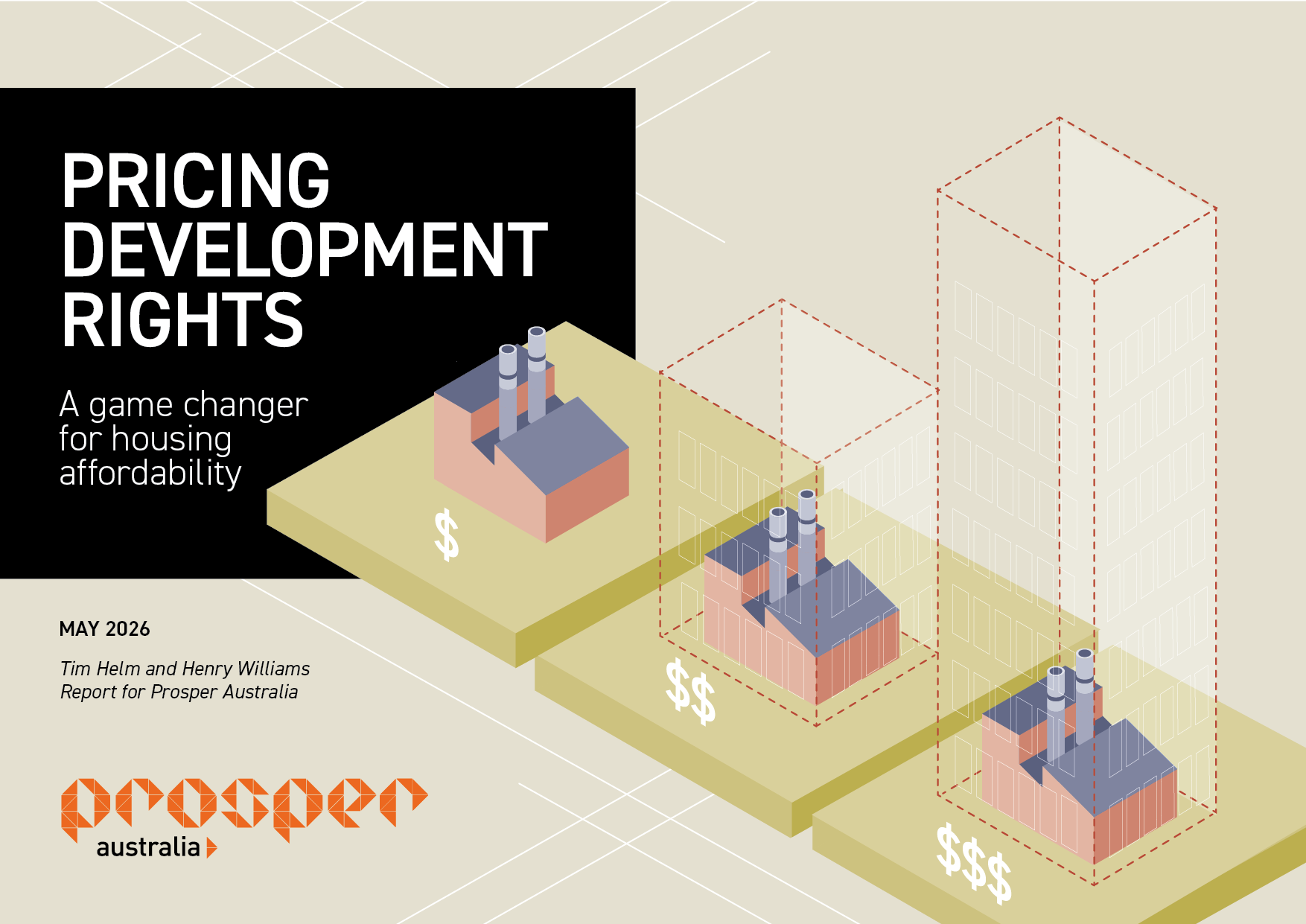
Pricing Development Rights: A game changer for housing affordability
By Tim Helm & Henry Williams
Governments across Australia are effectively giving away $11 billion a year to wealthy landowners by failing to put a fair price on development rights.
Read the paper.
The Land Cycle
By Catherine Cashmore
The Land Cycle explores the history of the 18-year land cycle and its implications for policy development. Read the paper.

Rent-Controlled Resources: Why are we under-charging Australia's mining tenants?
This report examines Australia’s resource royalties and the gains to be made by moving to a more flexible royalty model with variable rates
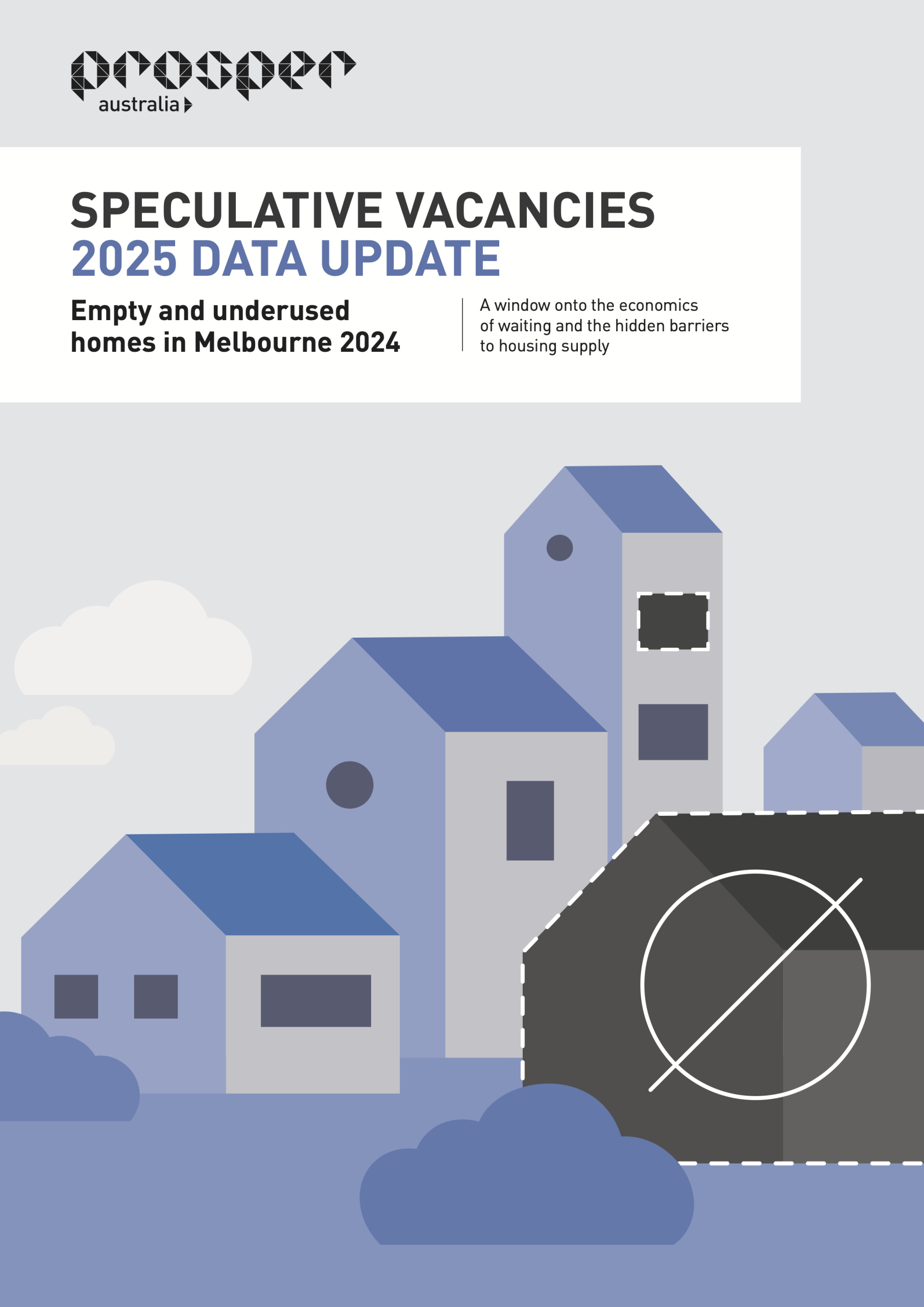
Speculative Vacancies 2025 data update
Our latest Speculative Vacancies data update reveals the extent of unoccupied housing in Melbourne.

Buying better income taxes with land taxes
Tax reform is more than changing income tax rates, it’s about shifting taxes off income altogether. This report explores one of the most recommended reforms.

Staged Releases: Peering Behind the Land Supply Curtain
In this report we ask whether the private choices of property owners to supply new housing according to market conditions works against the stated public policy outcome of supply-driven affordability through rezoning.
OUR LATEST NEWS

Speech – Land, Labour and Capital: Understanding economic and social problems
A transcript of Professor Frank Stilwell's presentation to the 128th Annual Henry George Commemorative Dinner, entitled: Land, Labour and Capital: Understanding economic and social problems. Thank you for that nice introduction and thank you for the invitation to come...

Economic Concentration and Natural Monopolies
Renegade Economists Show 579 As broadcast on the 3CR airwaves 6 - 6.30pm on the fourth Wednesday of the month. Subscribe to the monthly podcast. Show Notes This is episode 6 of the Georgist Podcourse. Both natural resource rents and natural monopolies increase in...

Australia must leverage value created by rail
Download the discussion paper by Chris Hale A well planned public transport network brings a city closer to itself. It creates value for its citizens by reducing the distance between neighbourhoods. Businesses gain access to broader markets, and land value grows...