


OUR RESEARCH
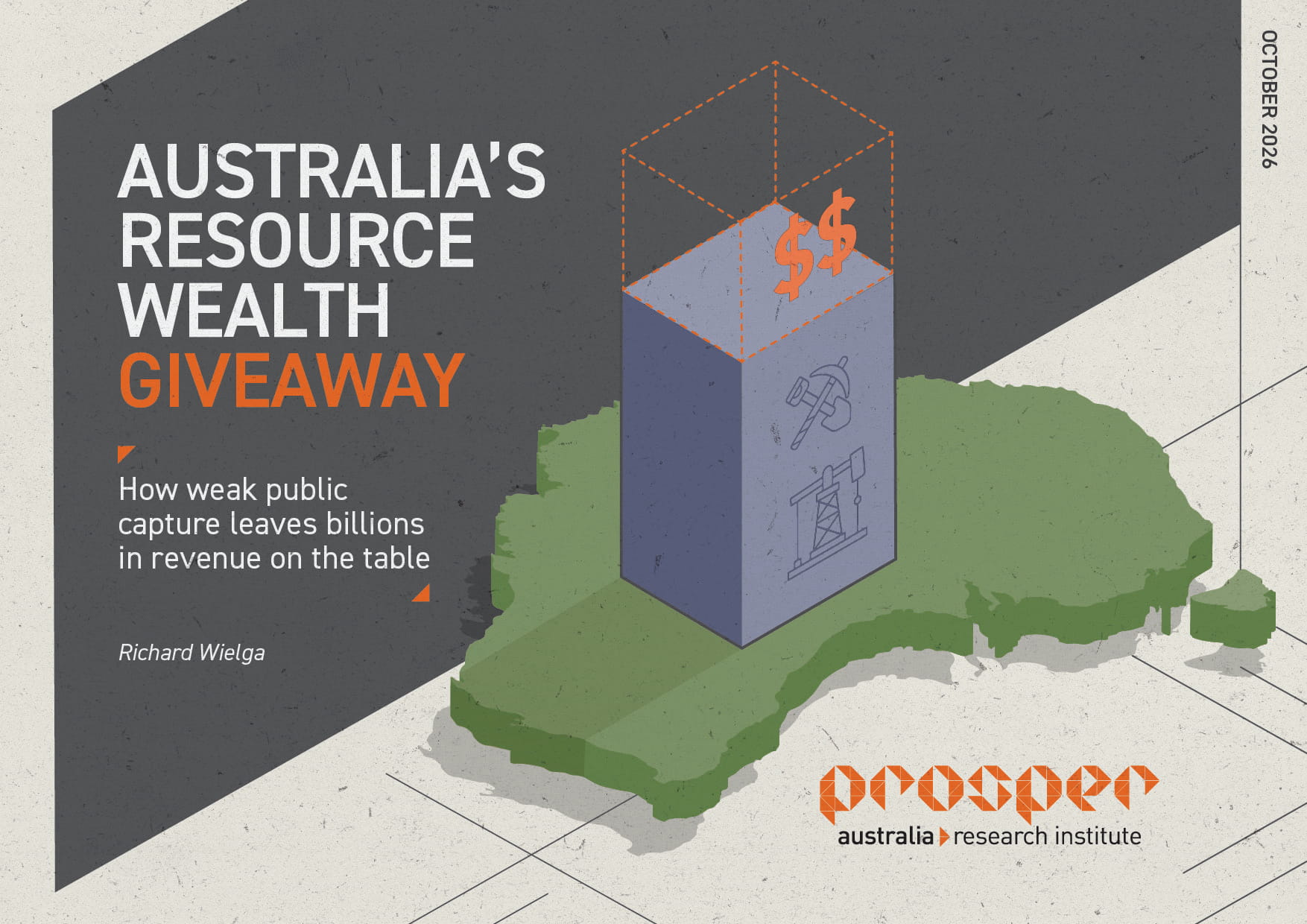
Resource Wealth Giveaway
Australia is a resource-rich country, but it does not always collect a strong public return from its finite mineral and energy resources.
Read the paper.
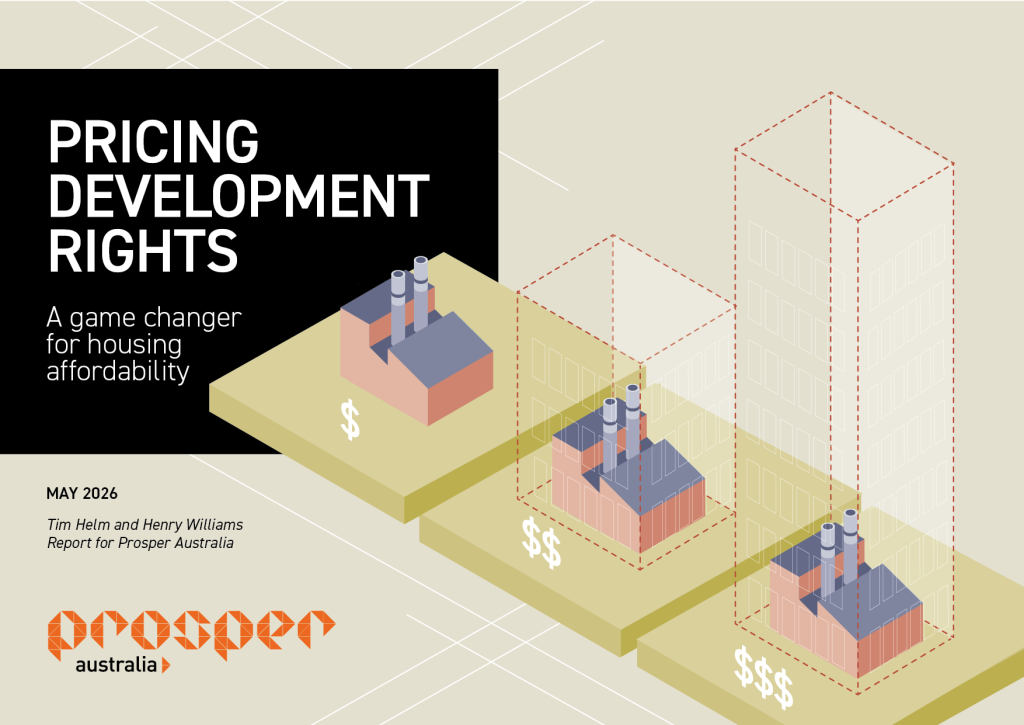
Pricing Development Rights
Governments across Australia are effectively giving away $11 billion a year to wealthy landowners by failing to put a fair price on development rights.
Read the paper.
The Land Cycle
The Land Cycle explores the history of the 18-year land cycle and its implications for policy development.
Read the paper.
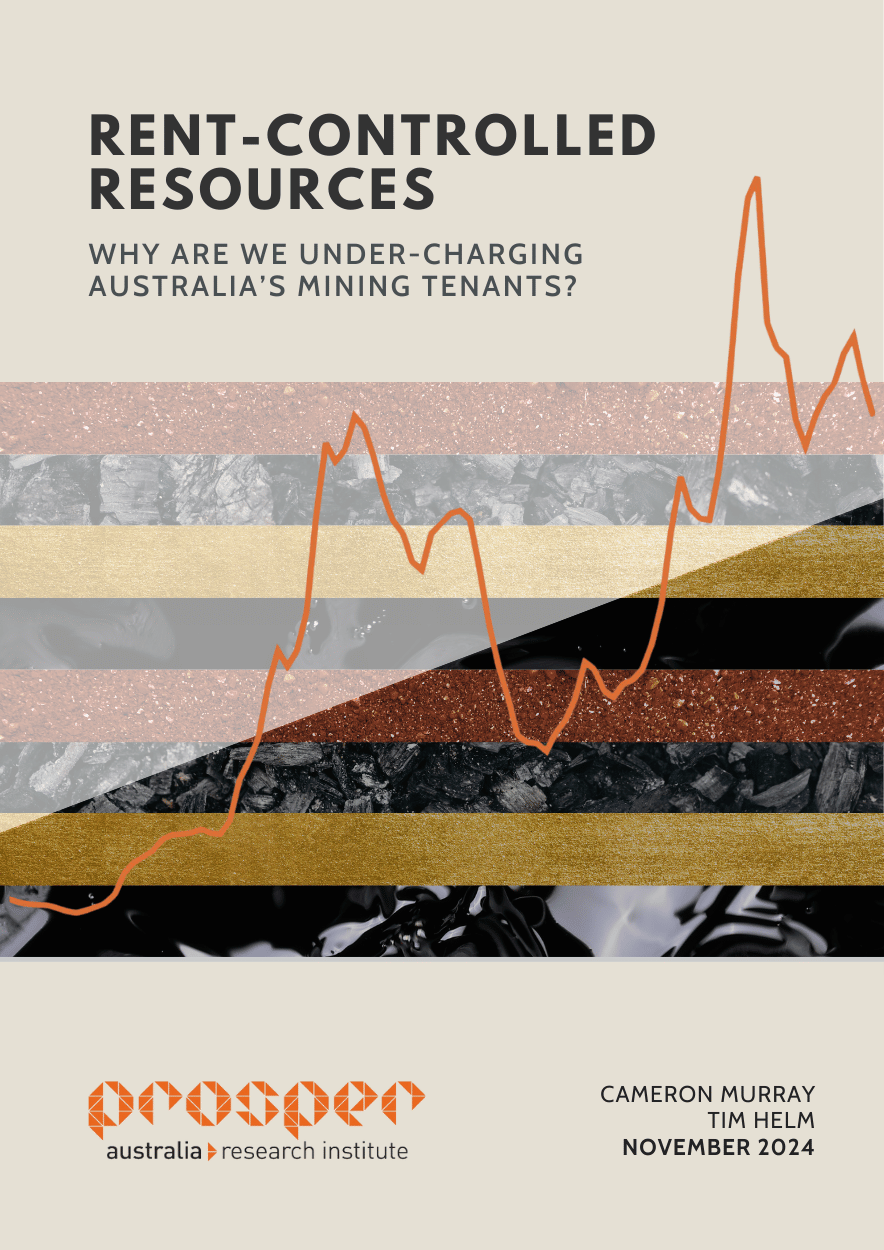
Rent-Controlled Resources: Why are we under-charging Australia’s mining tenants?
This report examines Australia’s resource royalties and the gains to be made by moving to a more flexible royalty model with variable rates

Speculative Vacancies 2025 data update
Our latest Speculative Vacancies data update reveals the extent of unoccupied housing in Melbourne.

Buying better income taxes with land taxes
Tax reform is more than changing income tax rates; it’s about shifting taxes off income altogether. This report explores one of the most recommended reforms.

Staged Releases: Peering Behind the Land Supply Curtain
In this report, we ask whether the private choices of property owners to supply new housing according to market conditions work against the stated public policy outcome of supply-driven affordability through rezoning.
Latest News



Submission to the Inquiry into AI and Data Centres

Adam Creighton: Land tax should replace stamp duty and substantially reduce income taxes

Submission on the Government’s proposed capital gains tax and negative gearing reforms (Budget Bill Tranche 2)

The wealth New Zealand creates should belong to more than those who own it
Submission: Emergency Services Funding Reform (NSW)